(Excuse the mess…this is a work in progress)
Love them or hate them, the Interstate Highways are basically the backbone of the American road trip. Built beginning in the 1950s under President Eisenhower, the interstate system connected the country in a way that completely changed travel in the United States. Today, these roads carry everything from family vacations and RV caravans to truckers, tourists, and people just trying to survive Atlanta traffic with their sanity intact.
Some interstates are legendary road trip routes packed with quirky roadside attractions, while others are long stretches of “how is there STILL nothing here?” Looking for a fun fact? The longest interstate is I-90, stretching over 3,000 miles from Seattle, Washington all the way to Boston, Massachusetts. Meanwhile, the shortest is I-878 in New York, clocking in at less than one mile long. Because apparently somebody looked at a single exit ramp and said, “Yep…that needs its own interstate.”
Interstate Highways: 2-25, 26-49, 55-75, 76-99
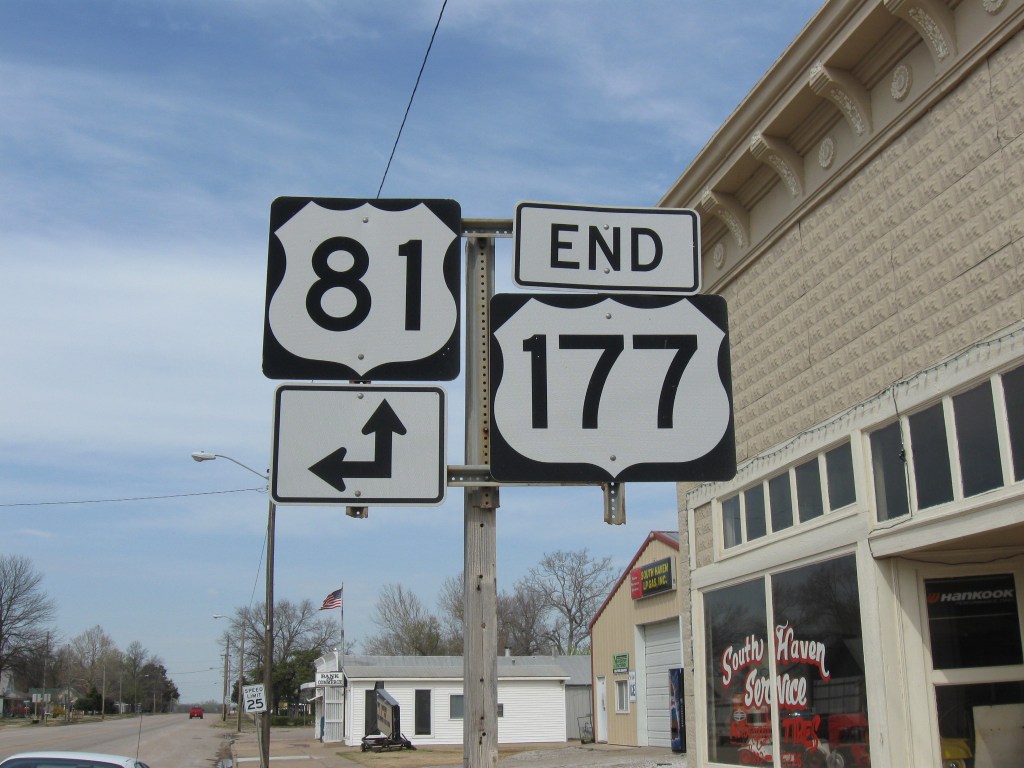
Before the Interstate Highways took over America’s road trips, there were the US Routes – the classic highways that wandered directly through downtowns, tiny farming communities, mountain passes, and old roadside tourist traps.
First established in 1926, the US Highway System connected the country long before massive bypasses and eight-lane interstates became the norm. These are the roads where you are more likely to stumble across a vintage motel sign, an old diner that hasn’t changed since 1974, or a random giant fiberglass lobster for absolutely no reason.
Unlike the interstates, US Routes tend to feel slower, weirder, and honestly a lot more interesting. They cut through the heart of towns instead of around them, which makes them perfect for road tripping if you actually want to see places instead of just flying past them at 75 mph while surviving entirely on gas station coffee.
The most famous US Route is probably the historic Route 66, originally stretching from Chicago to Los Angeles and becoming an icon of classic American road trips. On the opposite end of the spectrum, US Route 1 is the longest north-south U.S. Highway, running over 2,300 miles from Key West, Florida all the way to Fort Kent, Maine – and yes, we absolutely plan on exploring a LOT of it.
US Routes: 1-25, 26-50, 51-75, 76-98, 101-150, 151-199, 201-290, 301-400, 401-491, 501-730
If the Interstates are how you get somewhere fast and the US Routes are how you discover America, state highways are where the real adventures often begin. These roads connect small towns, hidden attractions, scenic overlooks, state parks, and places that most travelers never see. Some are busy commuter routes, while others wander through farmland, forests, mountains, deserts, or along the coast for miles without a traffic light in sight.
For road trippers, state highways are often where the best surprises happen. They’re the roads that lead to quirky roadside attractions, family-owned restaurants, historic downtowns, scenic campgrounds, and those unexpected side quests that turn into the highlight of the trip. While they may not have the fame of Route 66 or Interstate 95, state highways offer a closer look at the places and people that make each state unique.
Some state highways have become legendary in their own right.
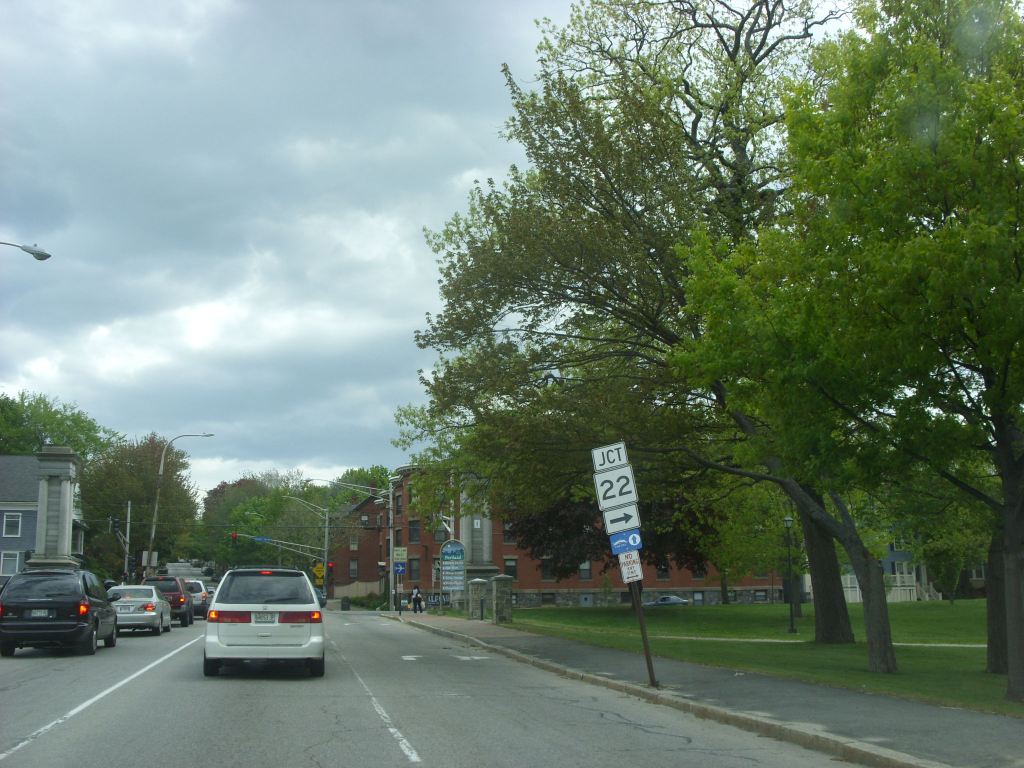
Maine Route 9, known as “The Airline Road,” earned its nickname long before airplanes existed. In the 1800s, an “air line” meant the most direct route between two destinations. Today, the Airline remains one of Maine’s most iconic drives, crossing miles of forests, lakes, and remote wilderness on its way toward the Canadian border.