San Felipe, TX & San Antonio, TX
Okay travel fam… I know it has been a minute since the last blog post. And that’s not because nothing has been happening. Quite the opposite, actually. We’ve been having a blast.
The holidays were a little hectic, we spent Christmas in Mississippi, and now we’re settled into exploring Texas. Somewhere along the way, writing took a bit of a back seat. But I’ve decided it’s time to refocus and set aside some time each week to write again – because I have a whole journal full of stories I’m dying to share.
And lately, a lot of those stories have involved Texas history.
Which is funny, because growing up in Maine we learned a lot about New England history. Pilgrims, the Revolutionary War, colonial settlements… all that good stuff.
Texas history? Not so much.
I mean, I knew a few basics. I knew Texas used to be part of Mexico. I knew it eventually became its own republic for a while before joining the United States. And thanks to pop culture, I also knew one very important historical fact…
There is no basement in the Alamo.
If you know, you know. Poor Pee-wee spent a whole movie looking for his bike down there.
But aside from that, I realized I didn’t know much about how Texas actually became Texas.
That started to change when Layla and I visited San Felipe de Austin State Historic Site.
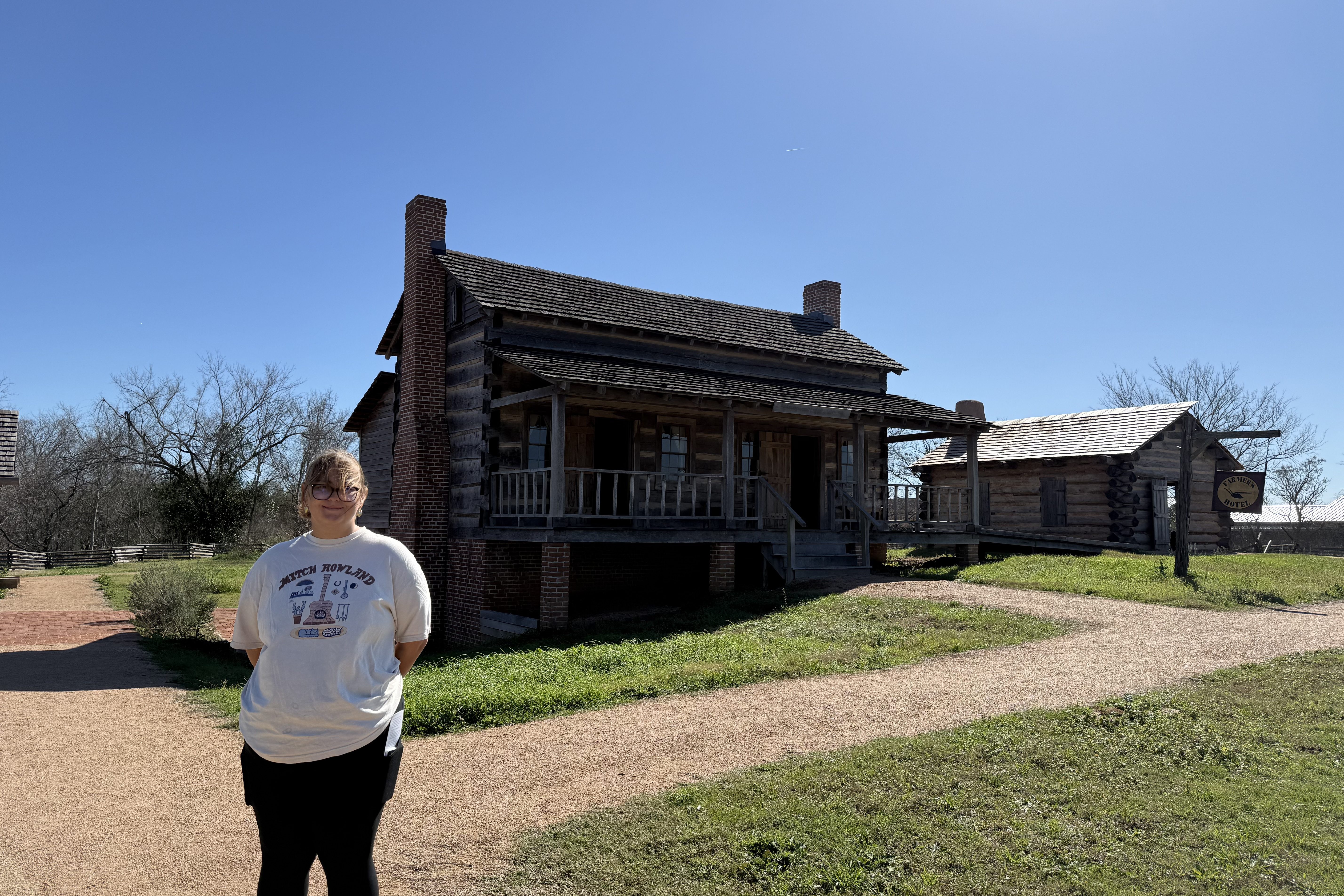
San Felipe de Austin: Where a Community Began
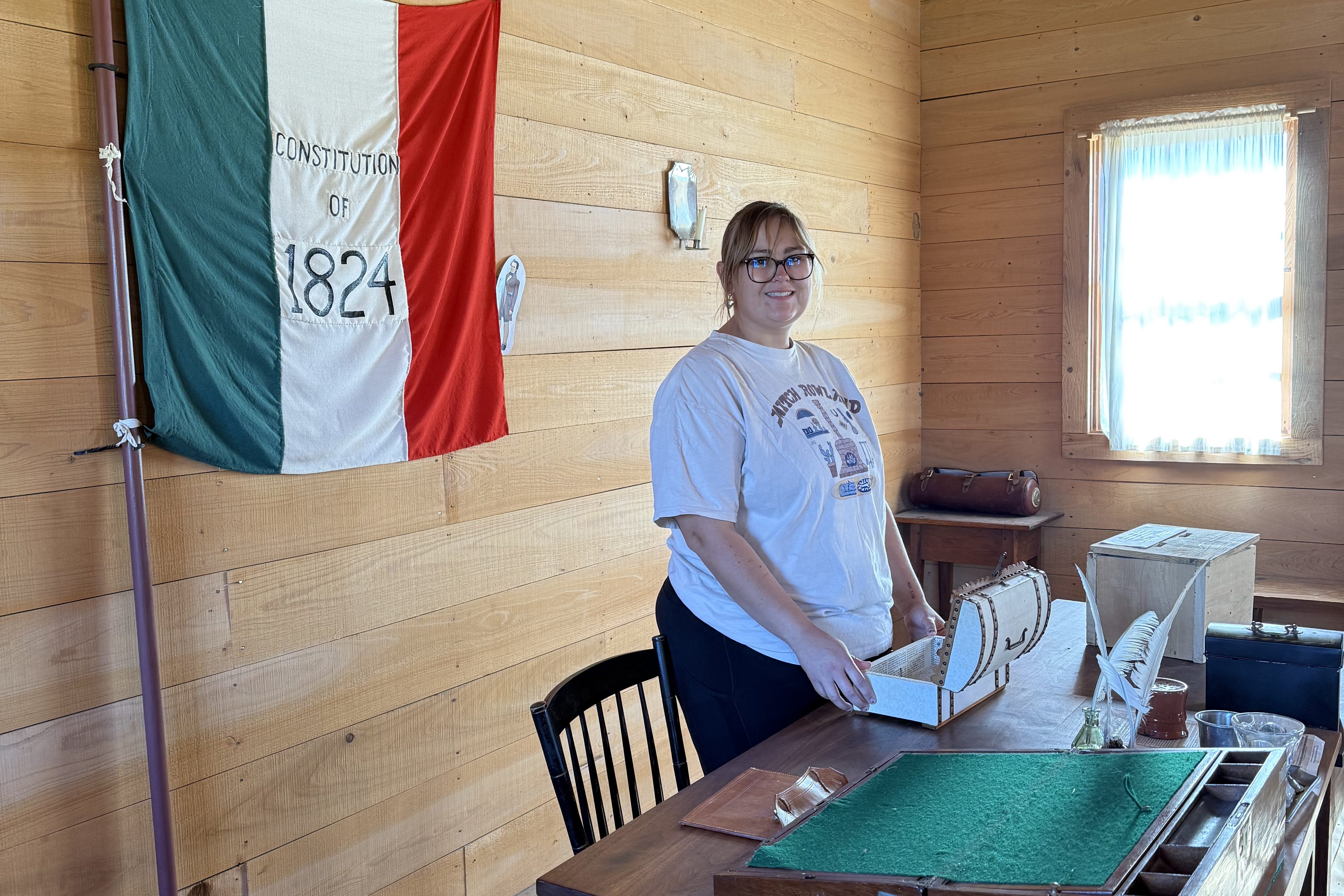
Today, San Felipe is a quiet historic site along the Brazos River. But in the early 1800s, this was one of the most important towns in what was then Mexican Texas.
It was founded by Stephen F. Austin, who helped bring settlers from the United States to the region. San Felipe quickly became the center of the colony – a place where people gathered for business, politics, and everyday life.
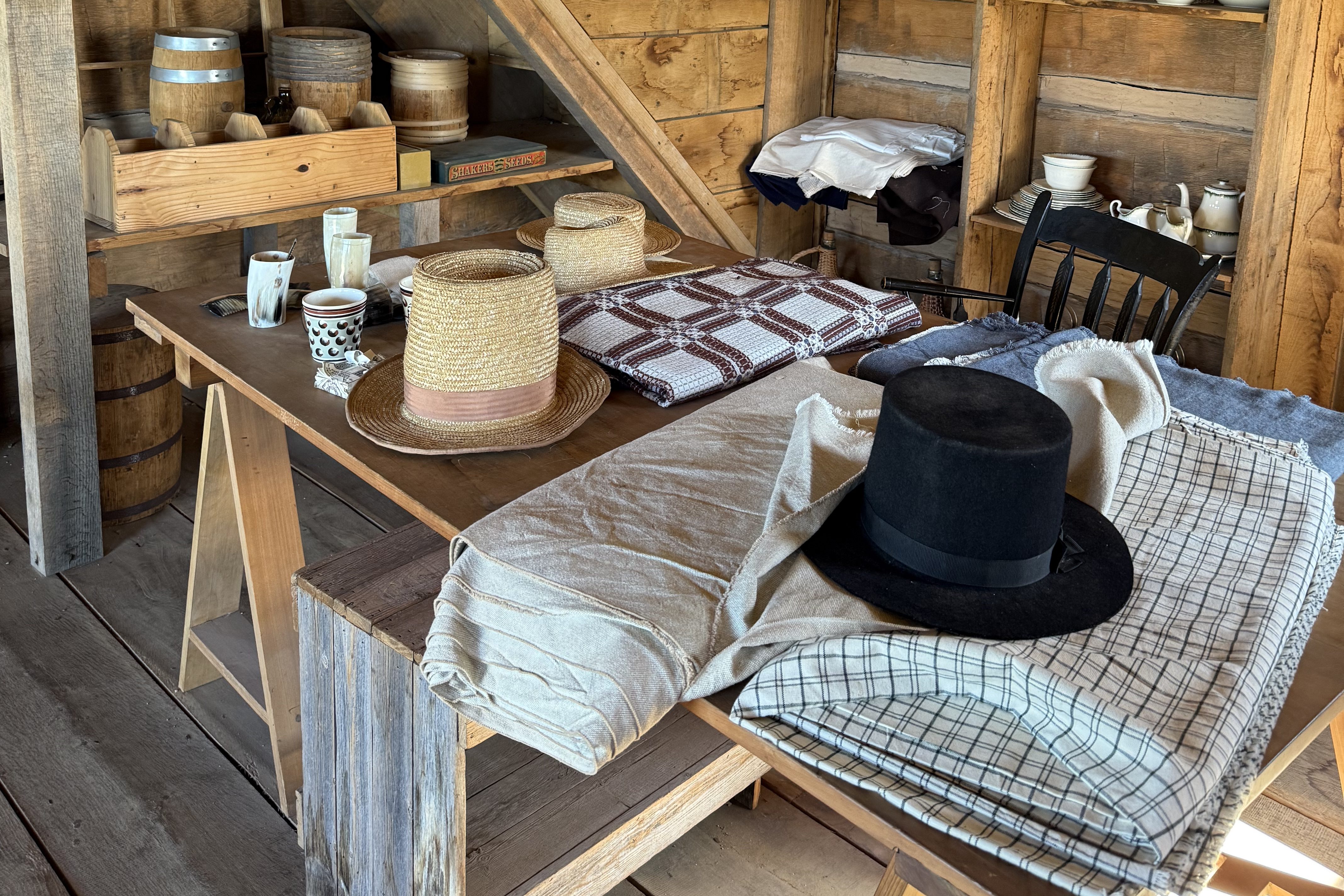
When you walk through the site today, the buildings you see are recreations, but they give you a sense of what the town might have looked like. There are homes, public buildings, and even a working garden with herbs and plants that settlers would have grown.
We visited during the week, so it was pretty quiet, but on weekends they actually have historical interpreters and demonstrations that turn it into more of a living history experience.
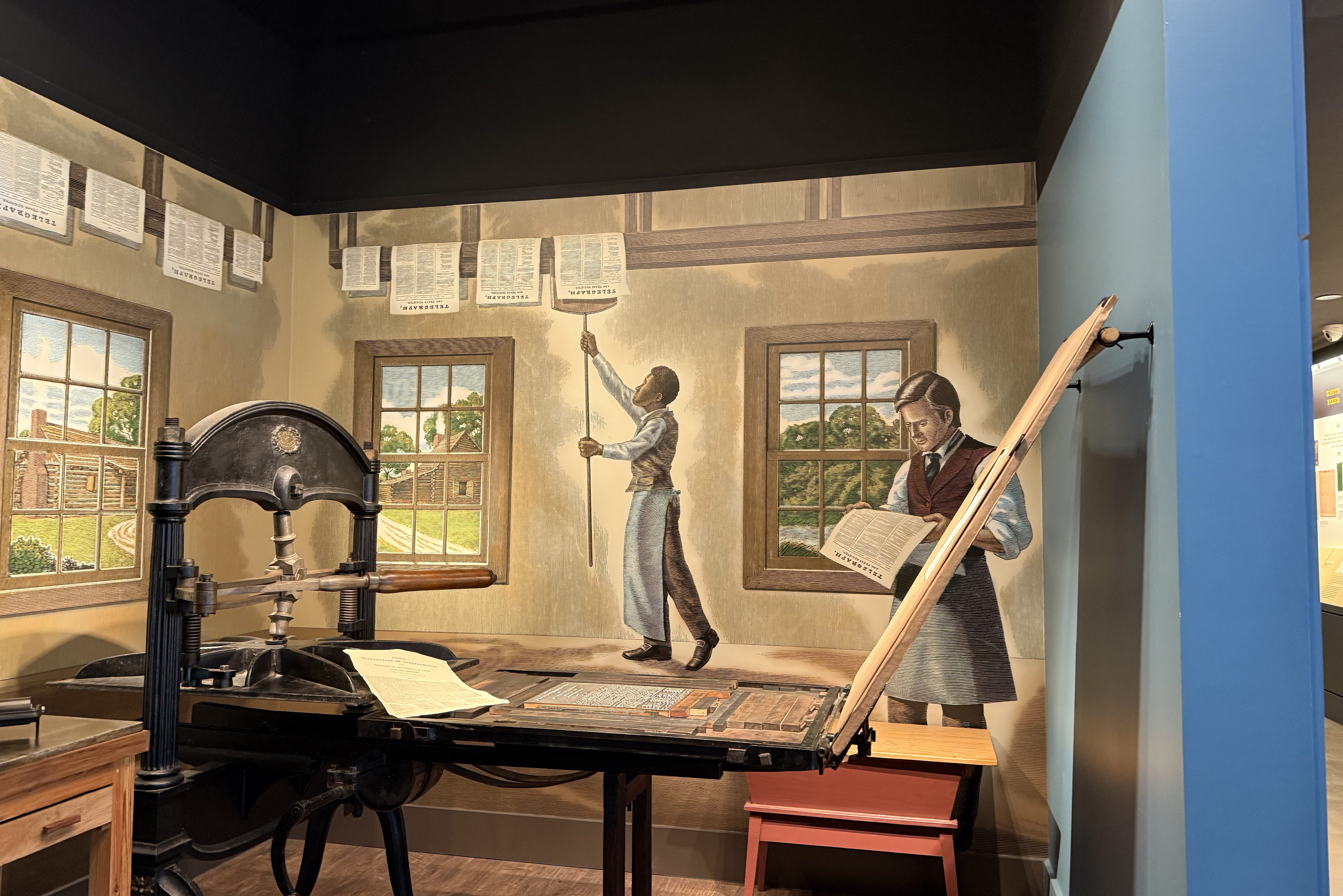
Even without that, it’s easy to picture what life might have been like there. Families building homes, tending gardens, raising kids, and trying to create something new on the frontier.
But as tensions grew between the settlers and the Mexican government, things started to change.
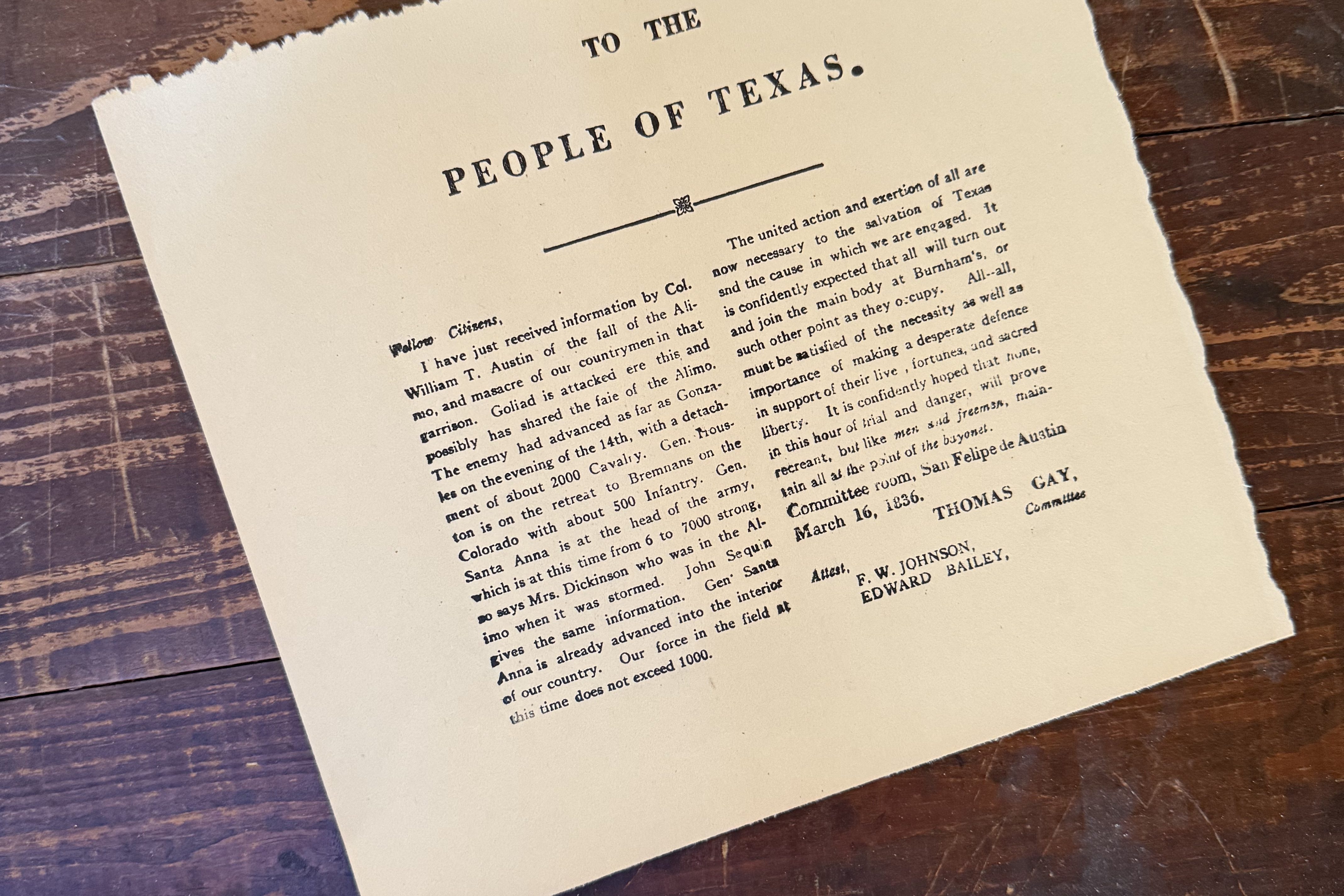
When Mexican General Antonio López de Santa Anna began moving his army north, the people of San Felipe made a dramatic decision.
They evacuated their town.
And then they burned it to the ground.
The idea was that if Santa Anna’s army arrived, there would be nothing left for them to use.
Just imagine that for a minute. Imagine building a home, a business, a whole community – and then setting it on fire because it’s the only option left.
History feels a lot more real when you stand in the place where those decisions happened.
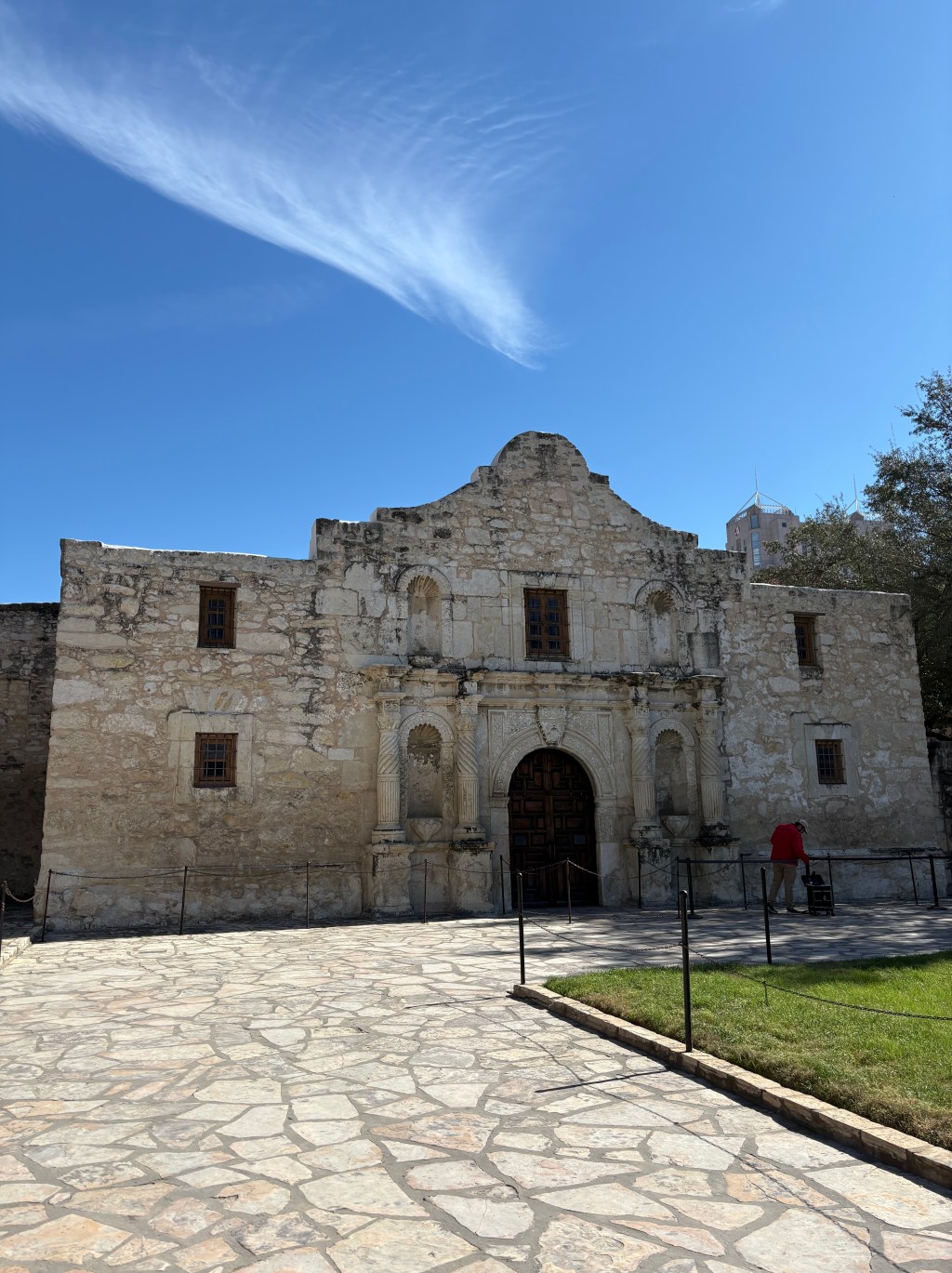
The Alamo
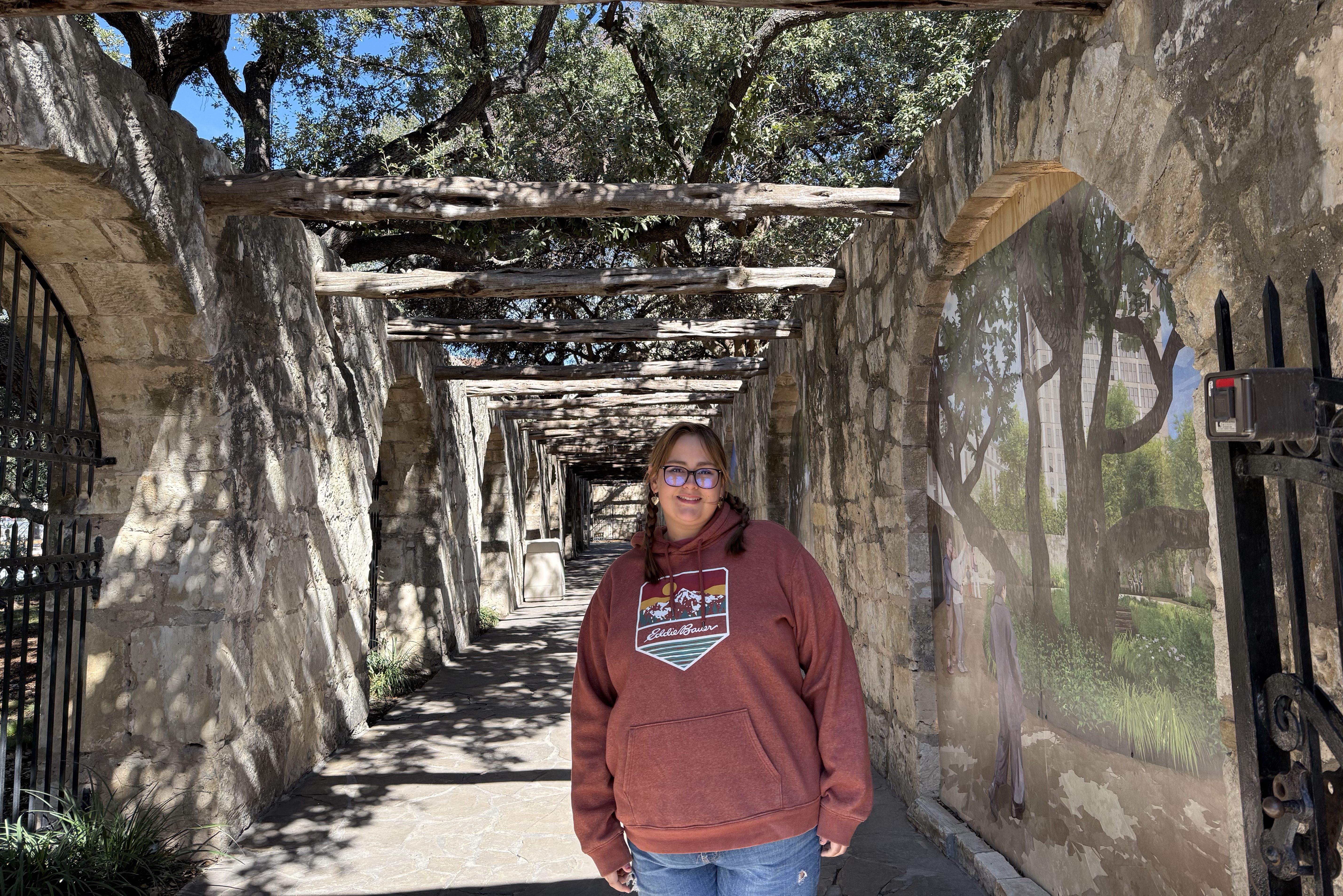
A few weeks later, Layla and I drove to San Antonio to visit The Alamo.
I’ll admit, I was a little surprised when we got there.
For some reason I had imagined the Alamo sitting out on a wide open field somewhere. Instead, it’s right in the middle of downtown San Antonio, surrounded by tall buildings, restaurants, and city traffic.
And yet somehow, it still has this commanding presence.
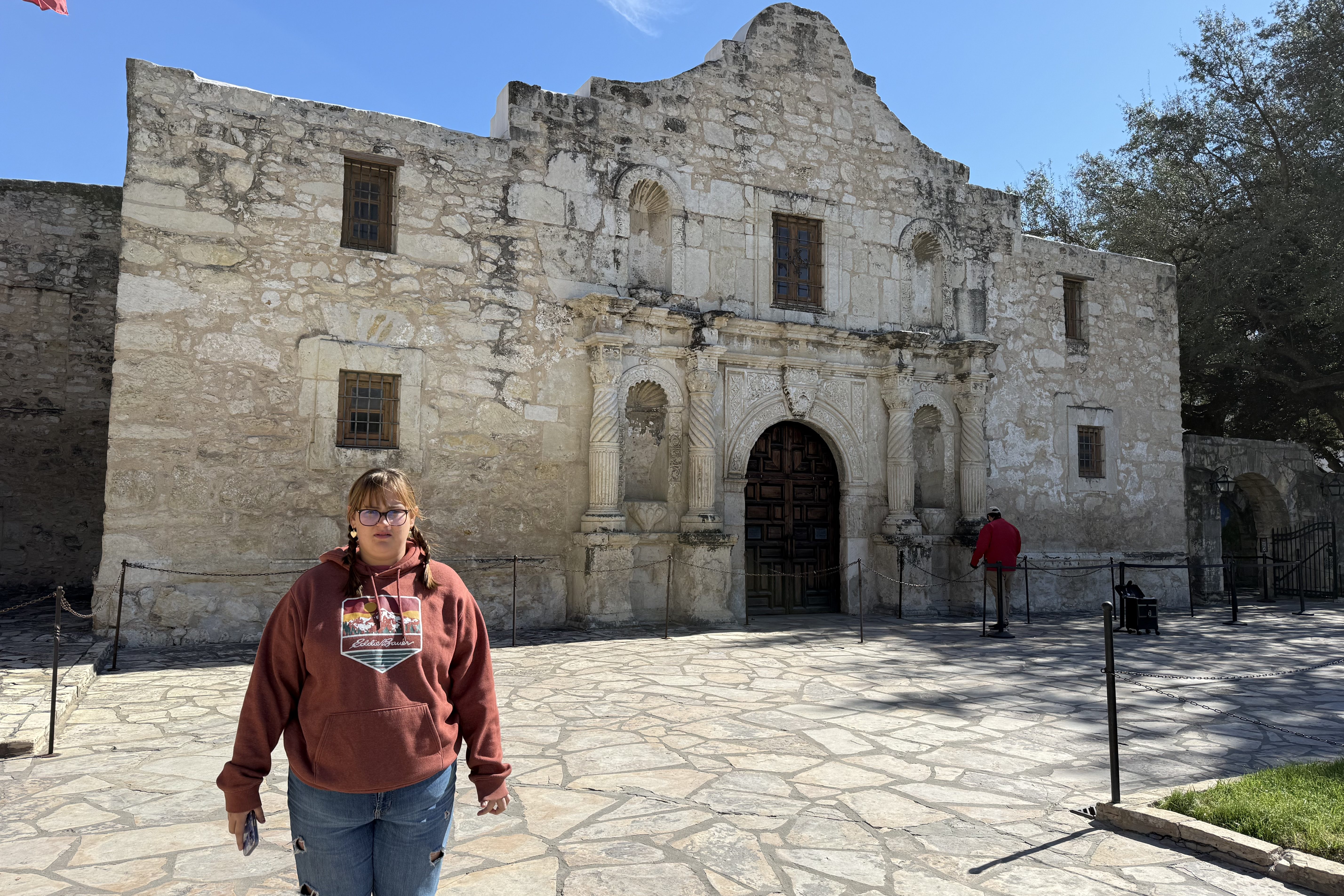
It’s also smaller than I expected, especially compared to the modern skyline around it. But standing there, you can still feel the weight of what happened in that place.
In 1836, Texian defenders held the Alamo for 13 days against the much larger army led by Santa Anna. Among the defenders were well-known figures like Davy Crockett, James Bowie, and William B. Travis.
The battle ended tragically for the defenders, but the story didn’t end there.
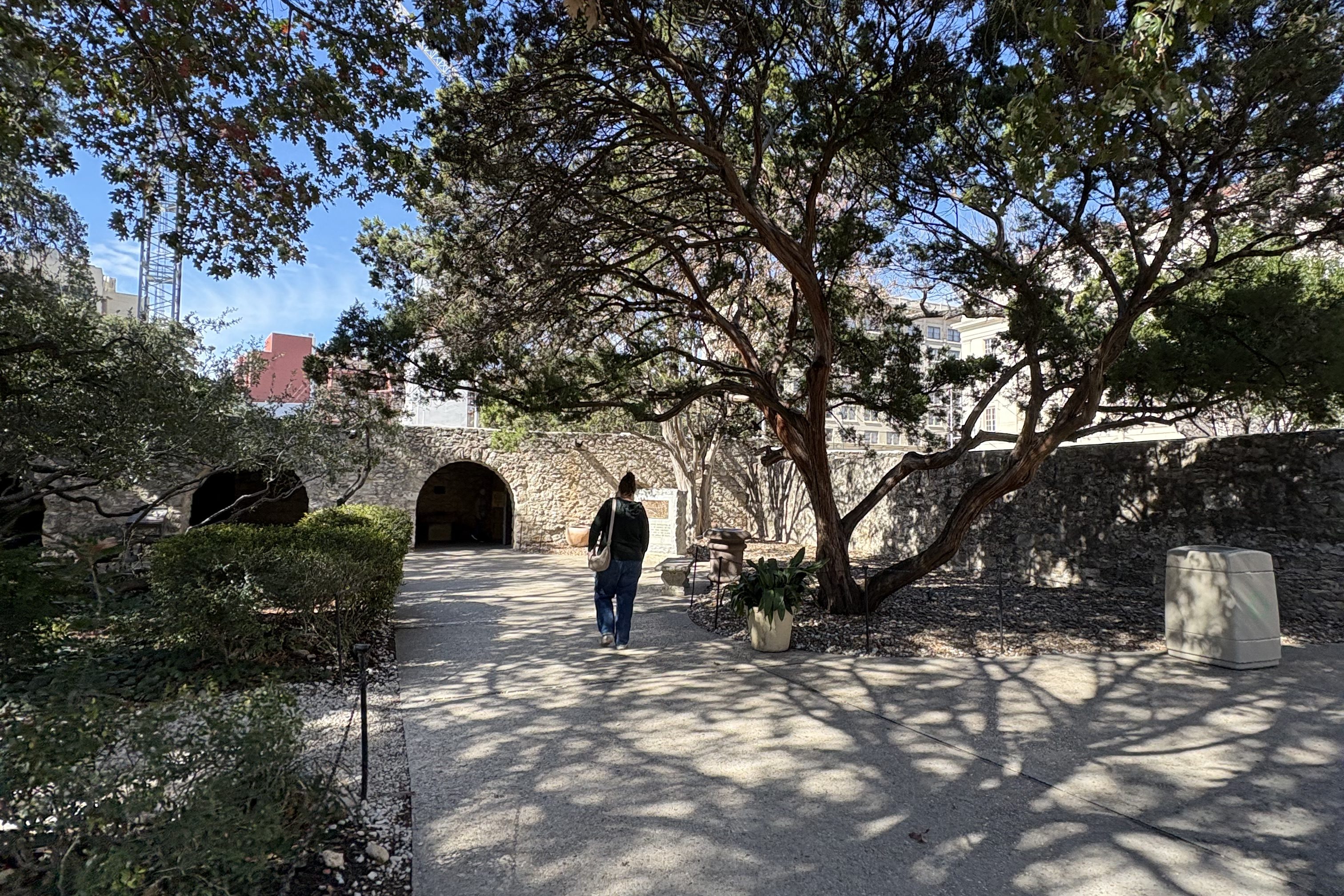
“Remember the Alamo” became a rallying cry that helped inspire Texian forces in the fight for independence that followed.
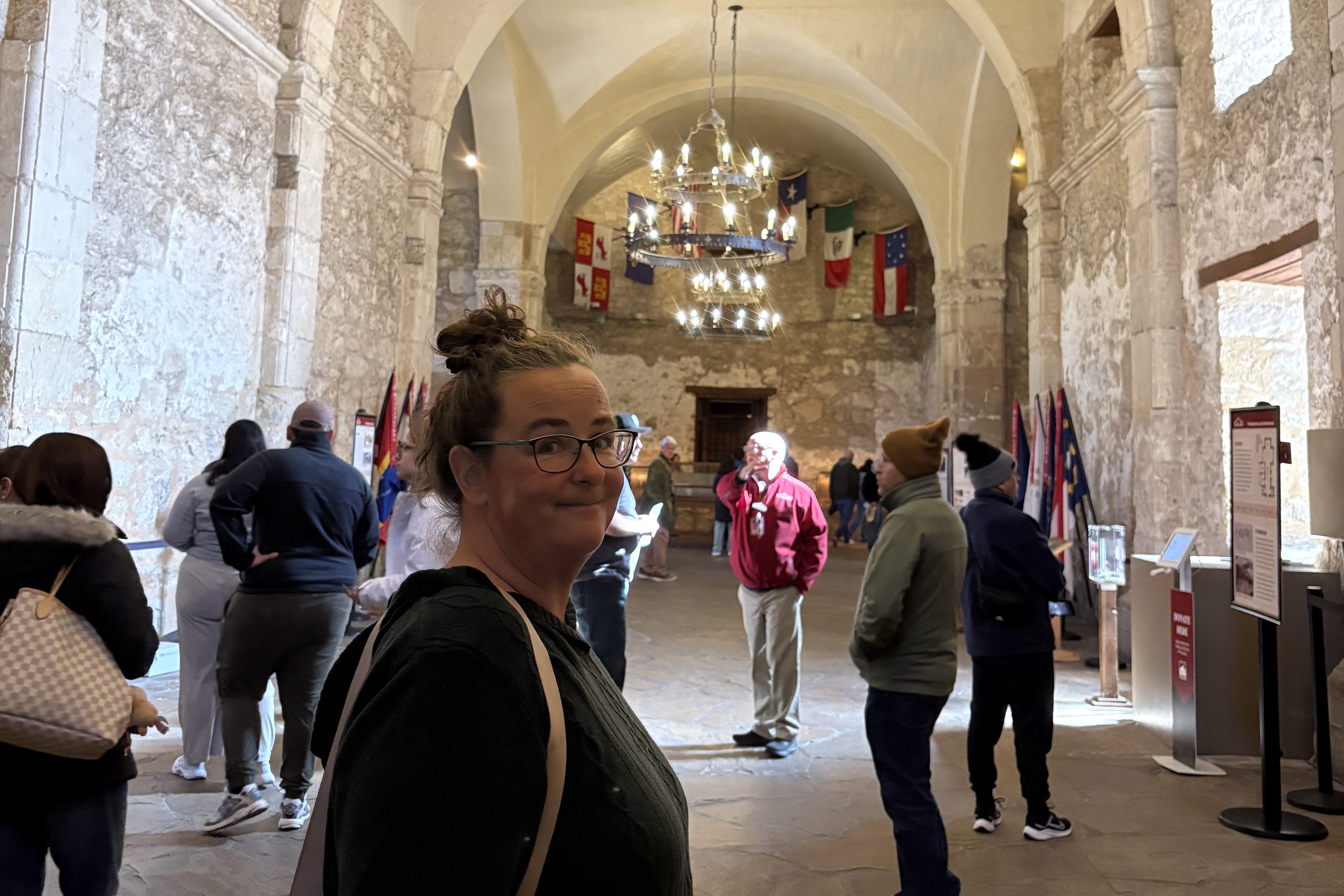
One of the most moving parts of the visit was stepping inside the church. This is where women and children sought shelter during the battle while chaos unfolded around them.
You can’t help but imagine what those final days must have felt like.
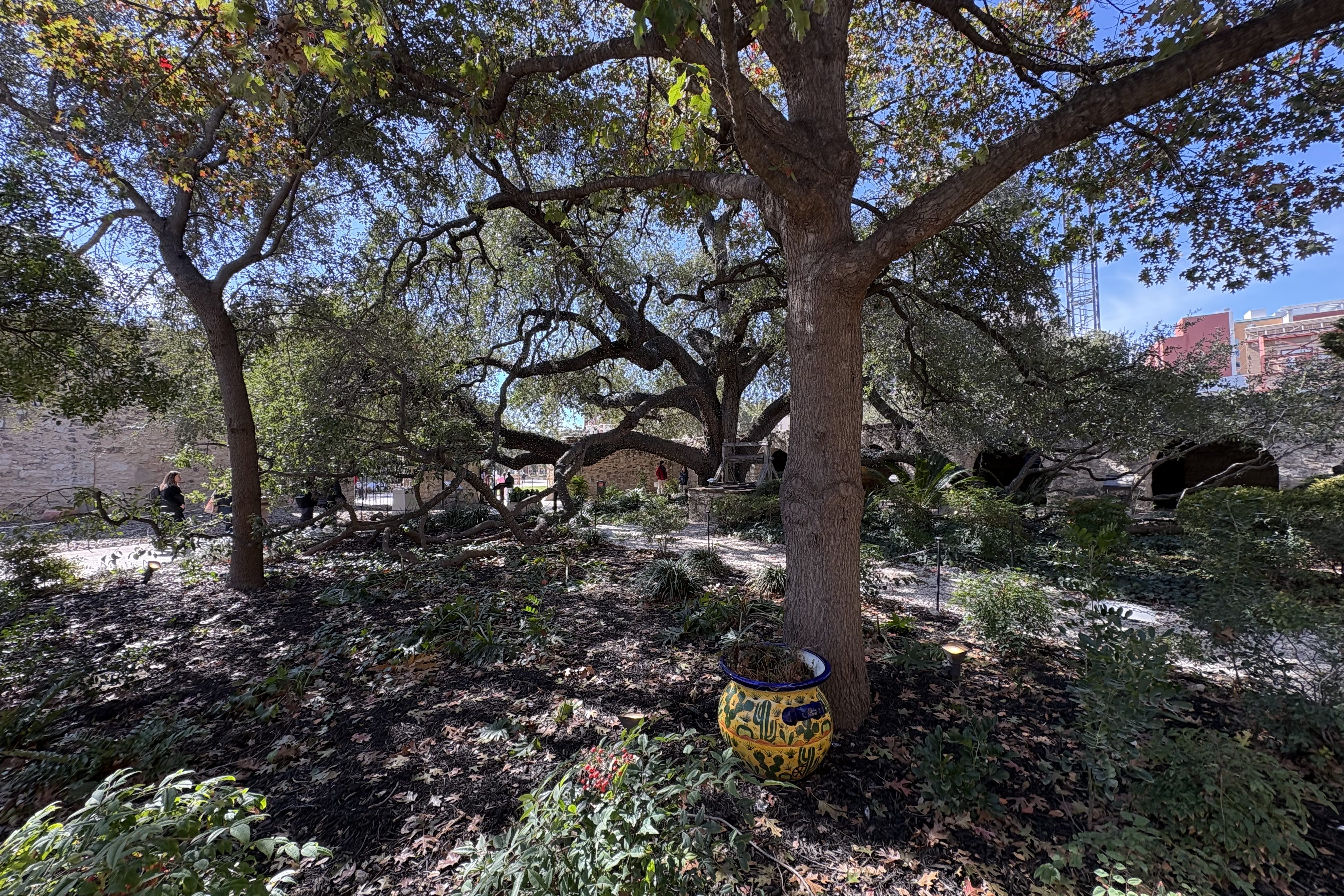
Two Places That Tell One Story
What struck me most about visiting both San Felipe and the Alamo was realizing that these places are part of the same story.
At San Felipe, we saw where families were building their lives.
At the Alamo, we saw where some of them fought to protect it.
The Texas Revolution wasn’t just one battle or one moment in time. It was a series of decisions, sacrifices, and events that played out across communities and landscapes.
And somehow, without planning it, we ended up following a small piece of that story.
One of the Best Parts of Traveling
One of my favorite things about traveling is how often it fills in the blanks we didn’t learn in school.
I came to Texas expecting big skies, bluebonnets, and good food.
I didn’t expect to walk through the story of a revolution.
But sometimes the places you visit end up teaching you something you didn’t even know you were missing.
And those are usually the ones that stick with you the most.
 Travel Turtles
Leave a comment